
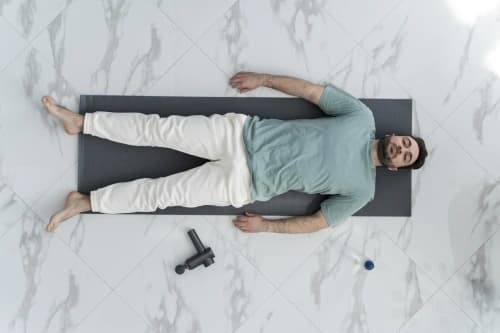
Quick Listen:
Audio: Listen here
Stress has become an inevitable part of daily life. From work pressures to personal challenges, stressors can weigh heavily on our physical and mental well-being. Fortunately, there are effective techniques to manage and reduce stress, one of which is Progressive Muscle Relaxation (PMR). This method is an easy-to-learn, highly effective relaxation technique that can help alleviate physical and emotional stress, promoting a sense of calm and well-being. In this article, we will explore what PMR is, its benefits, how it works, and how to incorporate it into your daily routine.
What is Progressive Muscle Relaxation (PMR)?
Progressive Muscle Relaxation is a relaxation technique that was developed by Dr. Edmund Jacobson in the early 1920s. It involves systematically tensing and then relaxing different muscle groups in the body. The premise behind PMR is that tension and stress cause muscles to tighten, and by consciously releasing that tension, you can promote relaxation and a sense of well-being.
The technique focuses on the mind-body connection, helping individuals become more aware of the tension they carry in their bodies, which they might not even realize. Through this practice, people can learn [how to control muscle tension][1], reduce stress, and improve their overall physical and mental health.
How Does Progressive Muscle Relaxation Work?
PMR involves a two-step process:
-
Tensing the muscles: Begin by intentionally tensing a specific muscle group in your body. The tension should be firm, but not painful. Hold the tension for about 5 to 10 seconds while focusing your attention on the feeling of tightness.
-
Relaxing the muscles: After holding the tension, release it suddenly and completely. Allow the muscles to relax and become loose, letting go of all the tension you just built up. As you release the tension, focus on the contrast between the feeling of tightness and the feeling of relaxation. This contrast helps the body and mind become more aware of how relaxation feels, which can help you identify tension in the future and ease it more effectively.
The technique typically starts with the feet and works its way up to the head, or vice versa. Some common muscle groups that are tensed and relaxed include the legs, abdomen, hands, arms, shoulders, neck, and face. By practicing PMR regularly, you can become more attuned to your body's sensations and learn how to release tension before it becomes overwhelming.
Benefits of Progressive Muscle Relaxation
The advantages of PMR are both immediate and long-term. By practicing this technique, you can experience numerous physical, mental, and emotional benefits.
1. Reduction in Stress and Anxiety
One of the most immediate benefits of Progressive Muscle Relaxation is its ability to reduce stress and anxiety. The physical relaxation that comes from releasing muscle tension can help calm the mind. By concentrating on bodily sensations, PMR helps you move away from the stressors in your life and into a state of relaxation.
Numerous studies have shown that PMR can significantly reduce symptoms of anxiety and tension. By incorporating it into your routine, you can create a sense of calm and help manage stressful situations more effectively.
2. Improved Sleep Quality
Stress and muscle tension are major contributors to poor sleep. When