
Quick Listen:
Audio: Listen here
As remote work becomes more prevalent, the boundaries between personal and professional life continue to blur. With this shift, organizations are increasingly adopting technologies to track and manage employee productivity. While these tools can help businesses ensure efficiency and meet performance goals, they raise critical concerns about the impact of surveillance on work habits and employee perceptions.
Monitoring technologies such as time tracking software, screen recording, and activity tracking can provide valuable insights into productivity levels, helping managers identify areas for improvement and ensure deadlines are met. However, these tools can also create a sense of intrusion, leading employees to feel micromanaged or distrusted. This can negatively impact morale, job satisfaction, and work-life balance.
The rise of digital surveillance also prompts important questions about privacy and autonomy. Employees may feel uncomfortable knowing they are being constantly monitored, which could erode trust between workers and employers. Striking the right balance between ensuring productivity and respecting privacy is essential for maintaining a positive and productive remote work culture.
Ultimately, organizations must consider the long-term effects of surveillance on employee well-being and find ways to implement monitoring tools that promote transparency, trust, and fairness. With the rise of remote work, organizations are adopting new technologies to monitor and manage productivity, raising important [questions about surveillance's impact on work habits and employee perceptions][1].
The Historical Hawthorne Effect
The relationship between observation and productivity has deep historical roots. In the 1920s, researchers at the [Hawthorne Works factory][2] discovered what would become known as the Hawthorne Effect - the tendency for individuals to modify their behavior when they know they're being observed. This foundational research demonstrated that awareness of monitoring often leads to improved performance.
Digital Age Surveillance and Virtual Coworking
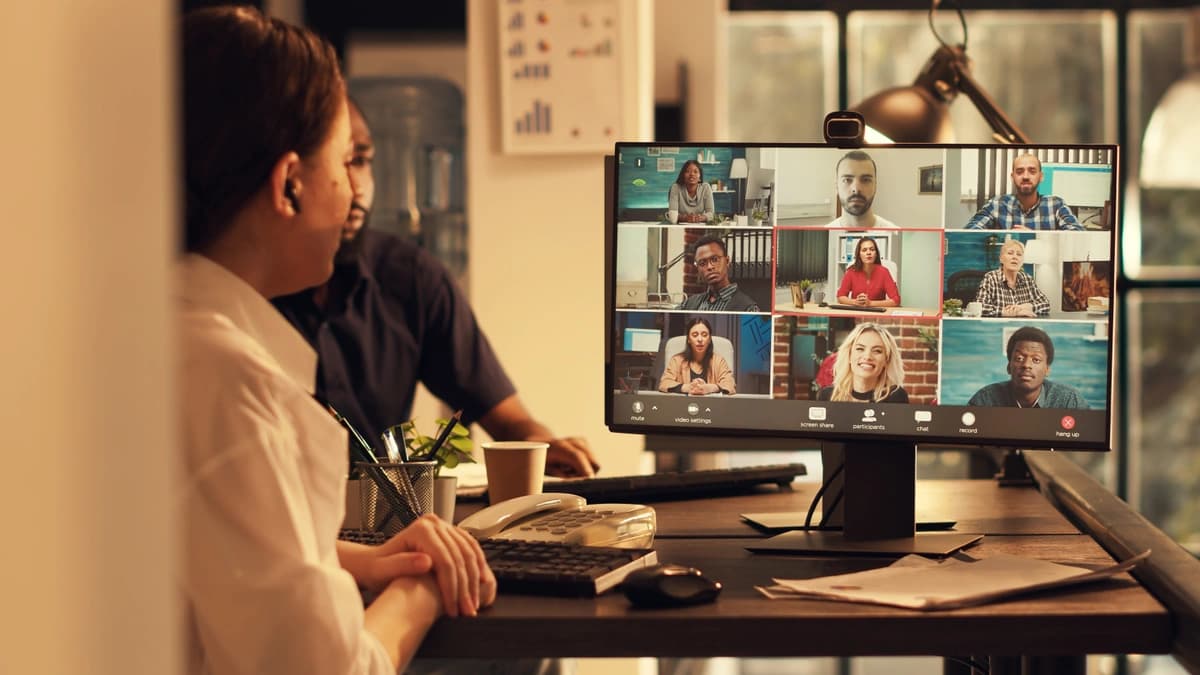
The concept of workplace observation has evolved significantly in the digital era, particularly with the emergence of virtual coworking platforms. These modern tools often incorporate video functionality, creating a [digital version of "being watched" that establishes accountability systems][3] similar to traditional office environments.
Impact on Focus and Productivity
Virtual presence has proven effective in reducing common workplace distractions. When individuals know they're being observed, even remotely, they're less likely to engage in non-work activities such as browsing social media or taking excessive breaks. This digital accountability system has become increasingly relevant as remote work becomes more prevalent.
Psychological Implications of Digital Surveillance
While surveillance can boost productivity, its psychological impact is complex and multifaceted. The constant feeling of being monitored affects both work performance and employee well-being in various ways:
Benefits and Challenges
- Enhanced focus and task completion
- Increased accountability and structure
- Potential stress and anxiety
- Impact on creativity and autonomy
Individual responses to surveillance vary significantly. While some workers thrive under observation, finding it motivating and focusing, others may experience stress and decreased performance due to the constant pressure of being watched.
Finding the Right Balance
Organizations must carefully consider both the benefits and drawbacks of surveillance systems. The implementation requires striking a delicate balance between:
- Productivity enhancement and employee well-being
- Professional oversight and personal privacy
- Team accountability and individual autonomy
- Structured monitoring and creative freedom
Implementation Considerations for Organizations
When considering virtual coworking or monitoring systems, organizations should evaluate several key factors:
- Individual work styles and preferences
- Privacy concerns and boundaries
- Impact on team dynamics and trust
- Balance between oversight and autonomy
The influence of "being watched" on workplace productivity presents both opportunities and challenges in our increasingly digital world. While virtual coworking platforms can provide valuable structure and accountability, their implementation must be thoughtfully considered to ensure they enhance rather than hinder workplace effectiveness and employee well-being.
You may also be interested in: [2x your team's productivity - Sukha][4]